Panchakajjaya | Fivefold sweet mixture

By Usha Hegde, Puttanamane
Panchakajjaya is a traditional sweet offering to Ganesha on Ganesha Chaturthi festival or any religious or social occasions where Ganesha is involved. The name Panchakajjaya derives from pancha, meaning five, and kajjaya, meaning sweet. Panchakajjay is made with five ingredients - brown chickpeas or Bengal gram, jaggery, sesame seeds, freshly grated fresh coconut, and cardamoms - hence the name Panchakajjaya. This is also a favourite dish of Ganesha.
Panchakajjaya preparation takes a while but worth the efforts. Jaggery, fresh coconut, sesame, and cardamoms have a special place during Ganesha Chaturthi. When these ingredients mixed with another favourful ingredient brown chickpeas, the aroma fills the whole atmosphere marking the arrival of Ganesha. Panchakajjaya is delicious, fragrant, and juicy when you chew it, with nutty flavours of coconut and sesame seeds.
The chickpeas are roasted until aromatic, and powdered along with cardamom seeds, then mixed with roasted sesame seeds, fresh coconut in jaggery syrup. Panchakajjaya tastes more delicious when served with fresh ghee, and banana.
This recipe is for large quantity. You can scale down as per your comfort.


Prep time
40 mins
Cook time
25 mins
Cool off time
0
Total time
1 hr 5 mins

Course
Sweets
Diet
Vegan, Vegetarian
Difficulty level
Difficult
Servings
~ 2.5 kg
Ingredients
-
1 kg brown chickpeas or Bengal gram (kadle kaalu / kaala chana)
- 1 kg jaggery
- 1 medium to large coconut
- ¼ kg sesame seeds
- 20 - 25 cardamoms
Cookware / Utensils
-
Thick pan or vessel or wok
- Spoon or spatula
- Bowl
- Mixer grinder
Instructions
Instructions
- Clean the chickpeas by removing stones, debris, or any other foreign materials, if any. Cleaning process is usually done in advance, a few days before Ganesha Charurthi.
- Rinse them with clean water to clean further. Do not soak the chickpeas. Wash them quickly until clean.
- Heat a thick bottomed pan or vessel or wok and dry fry / roast the chickpeas on medium to low flame until aromatic while stirring continuously. This process will take a while, approximately about 25 minutes.
- Transfer the chickpeas to a large bowl or plate and let them cool completely.
- Take sesame seeds and lightly dry fry / roast them on medium to low flame while stirring continuously. Let them cool. If the sesame seeds are not cleaned earlier, wash them thoroughly before frying.
- Grate a fresh coconut. Cover and keep aside.
- Remove and rinse the cardamom seeds.
- Now, add cooled chickpeas and cardamom seeds to a mixer / blender. Grind them to fine powder. It is fine if there are a few coarse particles. Cover and keep aside.
- Keep a bowl of clean water handy.
- Take jaggery in a thick pan or vessel and heat it on medium to high flame. If you are using jaggery blocks or powdered jaggery, then you need to add water and dissolve jaggery before moving to next step.
- Add fried and cooled sesame seeds.
- Add grated fresh coconut.
- Mix well and cook the mixture. Stir frequently.
- The jaggery mix starts boiling and thickens. At this stage, stir continuously until the hard ball consistency.
- Check the consistency by adding little jaggery mix in a bowl of water that was kept handy earlier. The jaggery mix should form a hard ball and you should be able to break it.
- Switch off the heat. Add powdered chickpeas.
- Start mixing the powder with jaggery mix. Powder starts absorbing the jaggery.
- As it starts to absorb jaggery, lumps will be formed in the beginning. Break the lumps with heavy spoon / ladle/ or spatula when the mixture is hot. You can also pour the mixture in a clean large kitchen muslin cloth and rub with one end of the cloth or use stone / pestle to break the lumps.
- Keep the small lumps as is. Panchakajjaya consists of small lumps which makes it more juicy and tasty.
- Make offerings to Ganesha. Serve and enjoy with fresh ghee and banana. If you are a vegan, you can skip ghee.
Step by step guide
How to make Panchakajjaya
1. Clean the chickpeas by removing stones, debris, or any other foreign materials, if any.
Cleaning process is usually done in advance, a few days before Ganesha Charurthi.

2. Rinse them with clean water to clean further. Do not soak the chickpeas. Wash them quickly until clean.

3. Heat a thick bottomed pan or vessel or wok and dry fry / roast the chickpeas on medium to low flame until aromatic while stirring continuously.
This process will take a while, approximately about 25 minutes. Transfer the chickpeas to a large bowl or plate and let them cool completely.

4. Take sesame seeds and lightly dry fry / roast them on medium to low flame while stirring continuously. Let them cool.
If the sesame seeds are not cleaned earlier, wash them thoroughly before frying.

5. Grate a fresh coconut. Cover and keep aside.

6. Remove and rinse the cardamom seeds.

7. Now, add cooled chickpeas and cardamom seeds to a mixer / blender. Grind them to fine powder.
It is fine if there are a few coarse particles. Cover and keep aside.

8. Keep a bowl of clean water handy.

9. Take jaggery in a thick pan or vessel and heat it on medium to high flame.
If you are using jaggery blocks or powdered jaggery, then you need to add water and dissolve jaggery before moving to next step.

10. Add fried and cooled sesame seeds.

11. Add grated fresh coconut.

12. Mix well and cook the mixture. Stir frequently.

13. The jaggery mix starts boiling and thickens. At this stage, stir continuously until the hard ball consistency.

14. Check the consistency by adding little jaggery mix in a bowl of water that was kept handy earlier. The jaggery mix should form a hard ball and you should be able to break it.

15. Switch off the heat. Add powdered chickpeas.

16. Start mixing the powder with jaggery mix. Powder starts absorbing the jaggery.

17. As it starts to absorb jaggery, lumps will be formed in the beginning. Break the lumps with heavy spoon / ladle/ or spatula when the mixture is hot.
You can also pour the mixture in a clean large kitchen muslin cloth and rub with one end of the cloth or use stone / pestle to break the lumps.

18. Keep the small lumps as is. Panchakajjaya consists of small lumps which makes it more juicy and tasty.

19. Make offerings to Ganesha. Serve and enjoy with fresh ghee and banana. If you are a vegan, you can skip ghee.

Notes
-
Jaggery syrup consistency
Jaggery syrup should be of hard ball consistency for Panchakajjaya to be juicy and delicious. With hard ball consistency Panchakajjaya stays fresh for longer period.
You can go with the soft ball consistency. But with this Panchakajjaya will become very soft and shelf life is also reduced to half.
-
Breaking lumps
Break the lumps with heavy spoon or spatula when Panchakajjaya is still hot. Other way of breaking the lumps is to pour the mixture in a clean large kitchen muslin cloth and rub with one end of the cloth or rolling stone / pestle over the lumps to break them.
If you are unable to break the lumps, heat Panchakajjaya on low heat while mixing and breaking quickly the lumps with ladle or spoon. Do not heat too much. Panchakajjaya will get burnt.
Keep the small and tiny lumps as is. Panchakajjaya consists of small and tiny lumps which makes it juicy and delicious.
-
Storage and shelf life
Store Panchakajjaya in a clean and dry container or box with a tight lid. Keep in a clean and dry place. Use clean and dry spoon to take out Panchakajjaya.
Panchakajjaya stays good for about a month. However, actual shelf life depends on ingredients quality, making process, storage and usage type, room temperature and weather condition.
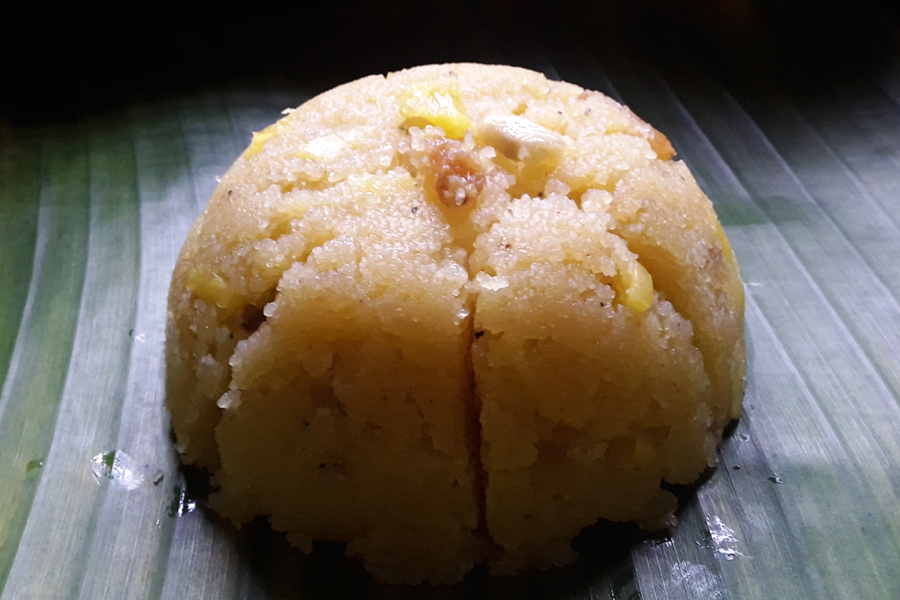
Shira or Sheera | Suji Halwa
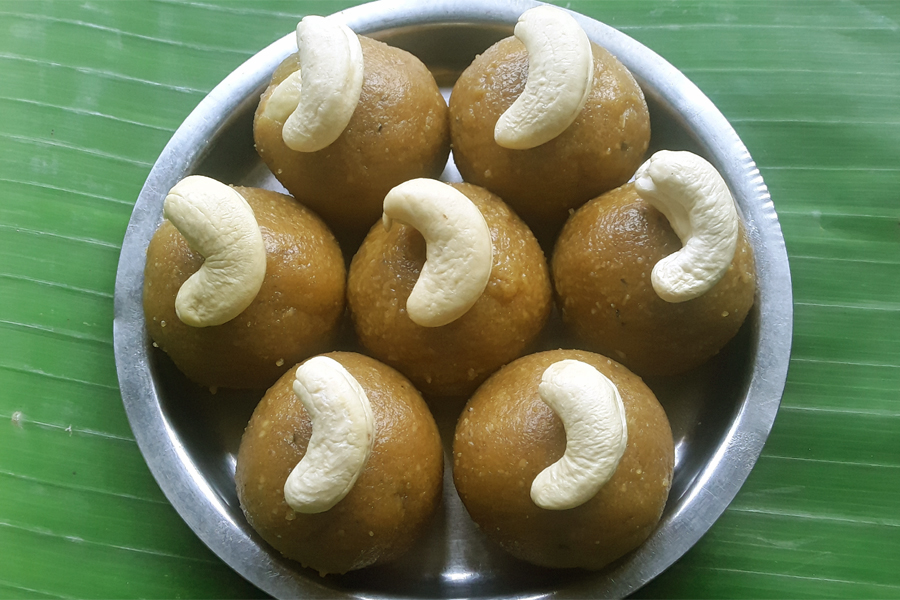
Kadlehittinunde | Besan or gram flour laddu
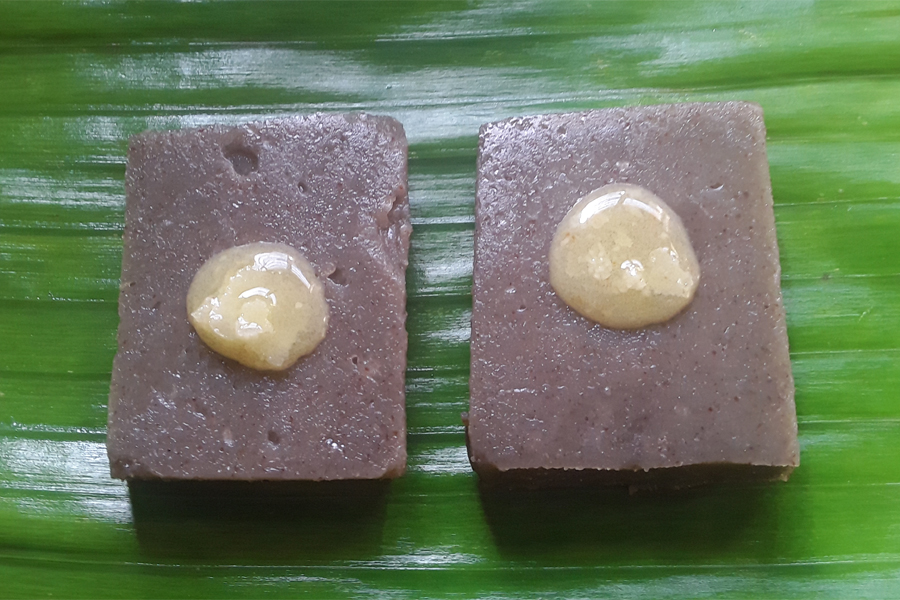
Kabbina haalina Manni | Sugarcane juice fudge
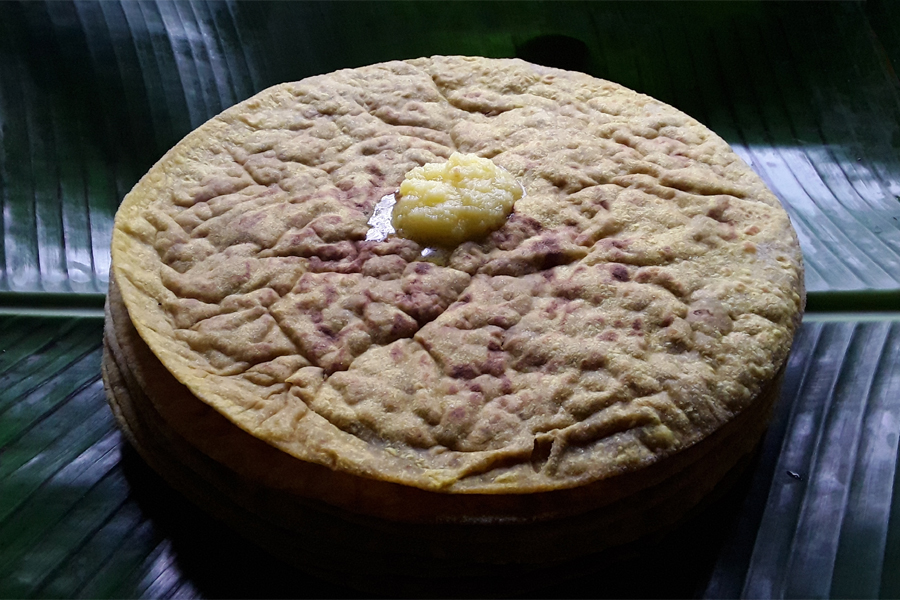
Halasina beejada Holige | Jackfruit seeds Holige
Gasagase paayasa | Poppy seeds kheer
Panchakajjaya | Fivefold sweet mixture
Obbattu | Jackfruit seeds sweet patty

Modaka | Steamed sweet dumplings

Kadle bele paayasa | Chana daal kheer
Balehannina halwa | Banana fudge
Kharjikaayi | Deep fried sweet dumplings
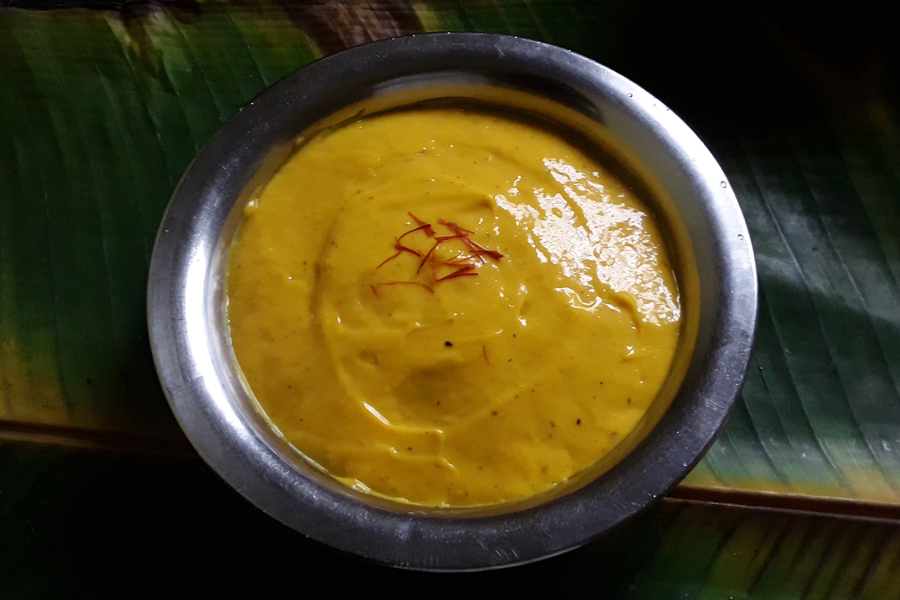
Amrakhand | Mango flavoured curd dessert

Gajari halwa | Carrot burfi

Hittinunde | Atta or wheat flour laddu
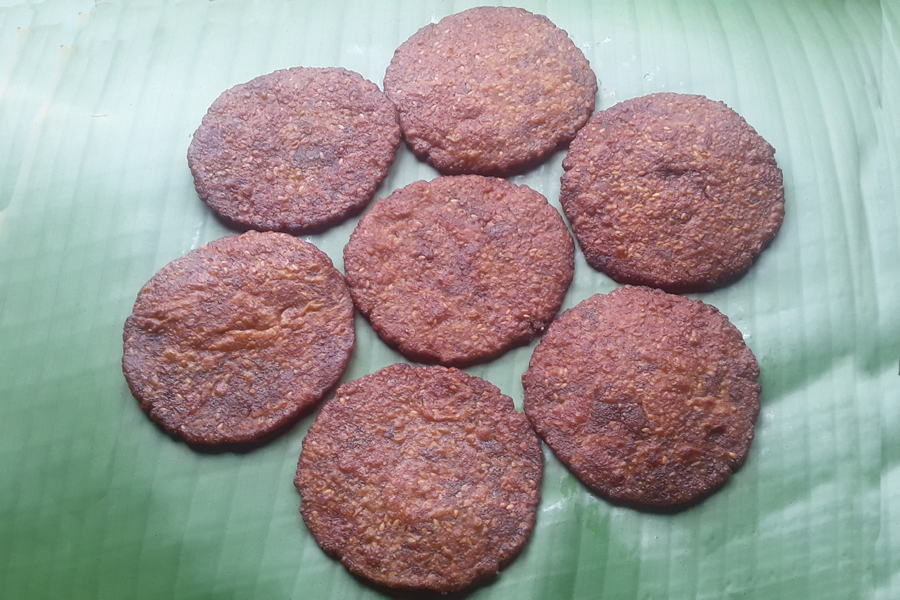
Atraasa or Atirasa | Fried sweet cake
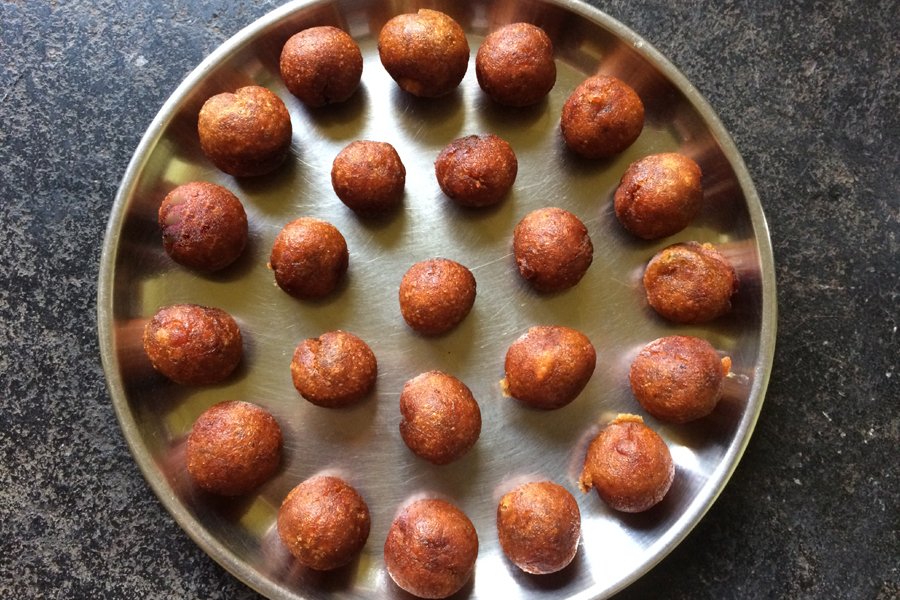
Undlekalu | Jackfruit sweet dumpling
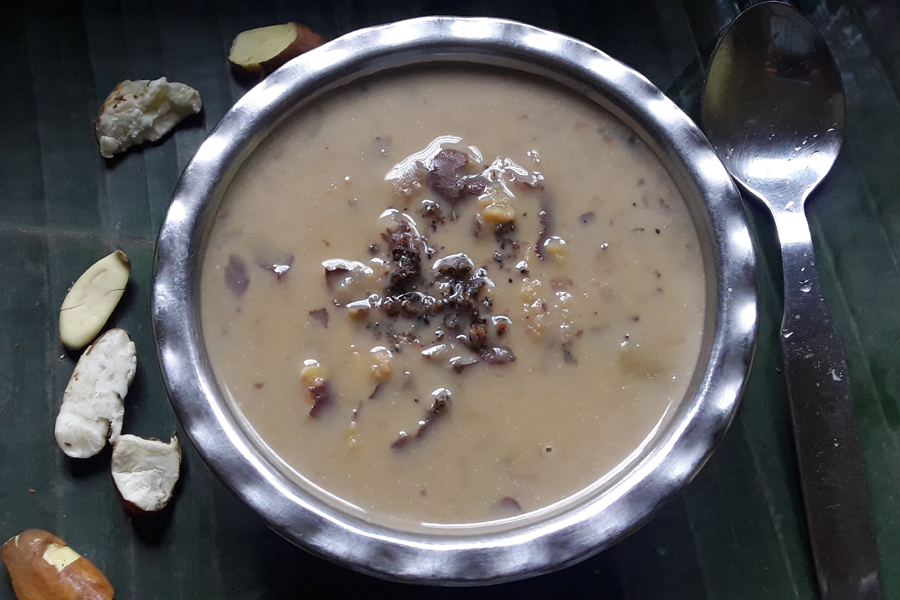
Halasina beejada paayasa | Jackfruit seeds kheer

Fried Modaka or Modak

Kaay halwa | Coconut burfi
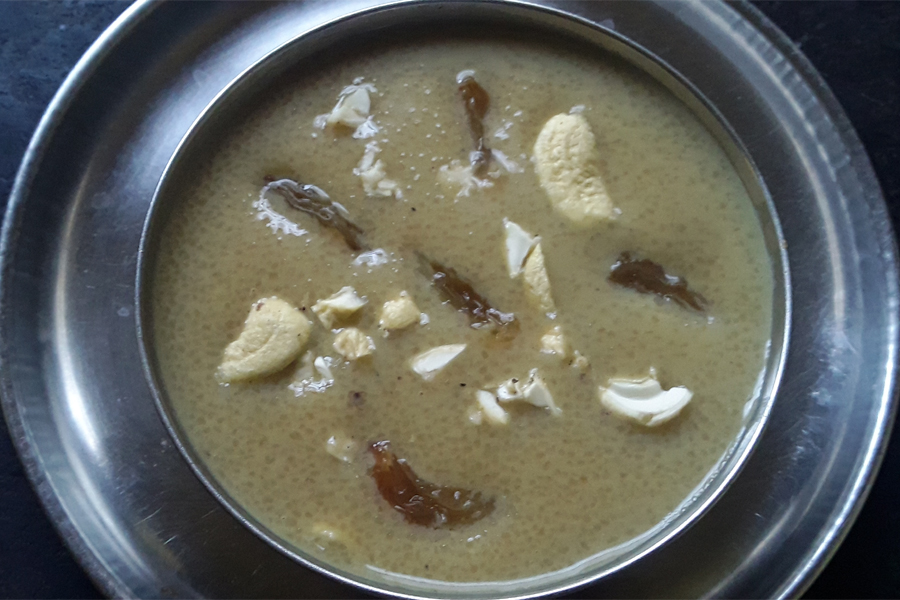
Rava paayasa | Suji or semolina kheer
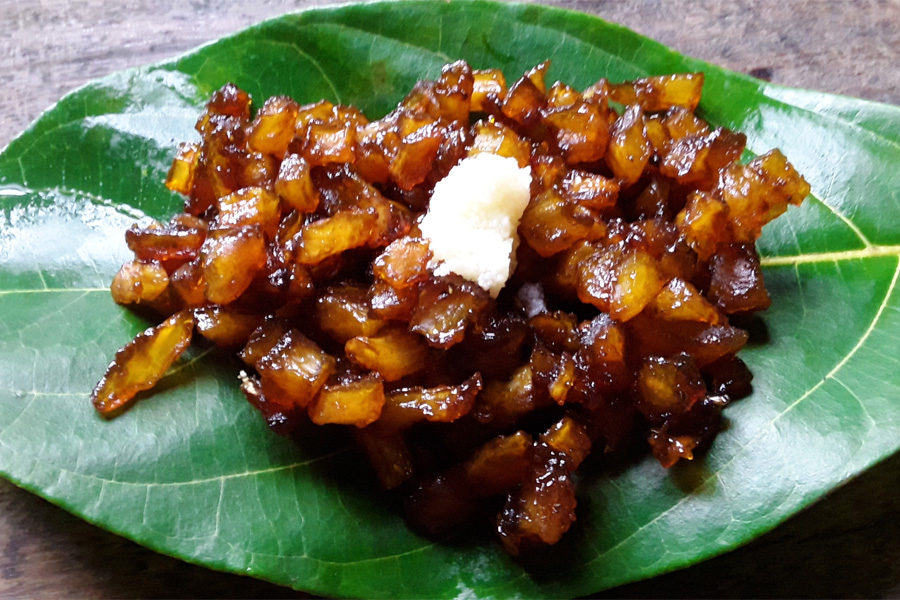
Sole kochhalu | Raw jackfruit sweet

Mogekaayi paayasa | Mogekaayi kheer
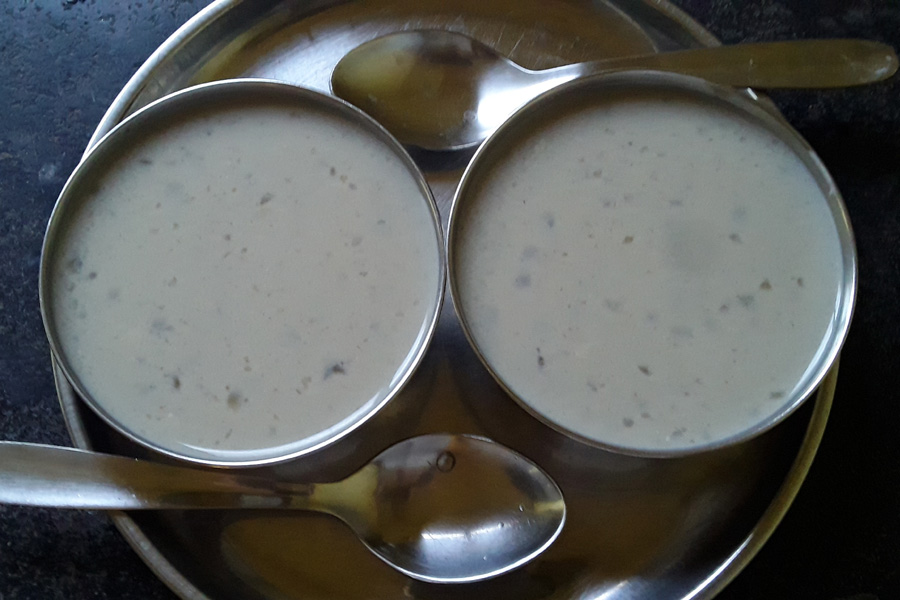
Shabakki paayasa | Sabudana kheer
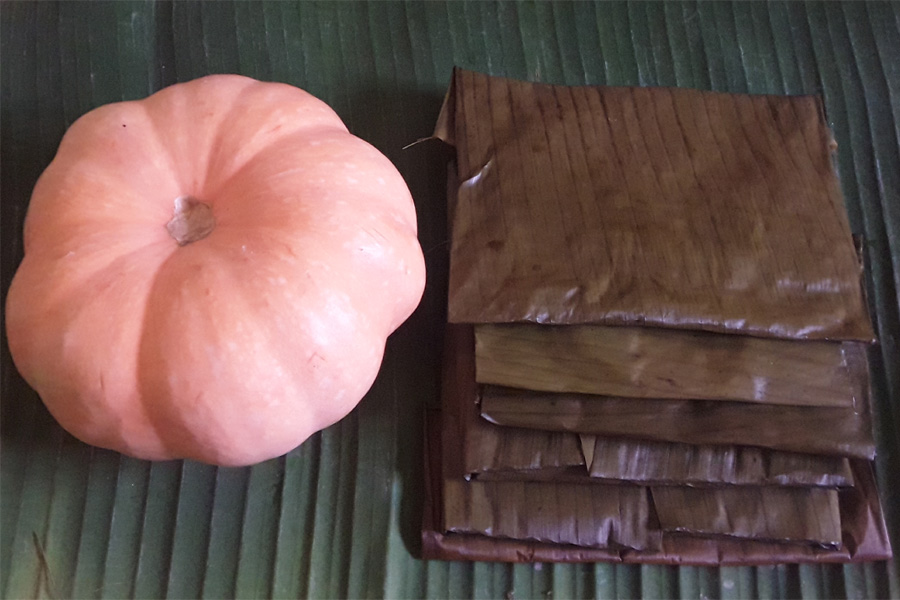
Govekaayi kadbu | Pumpkin kadbu
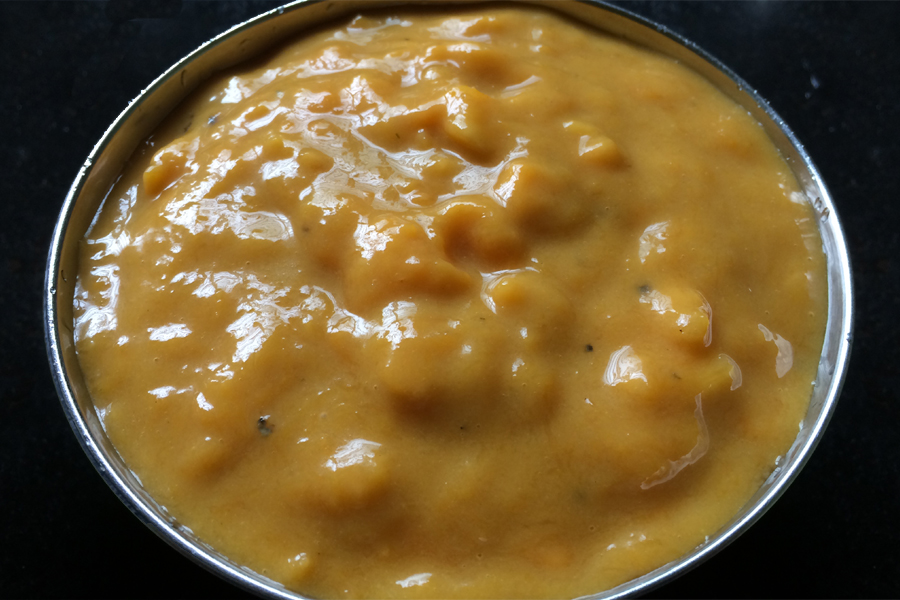
Shikarni or Shreekarni | Sweet Mango pulp

Halasina Hannina Kadbu | Jackfruit steamed cake
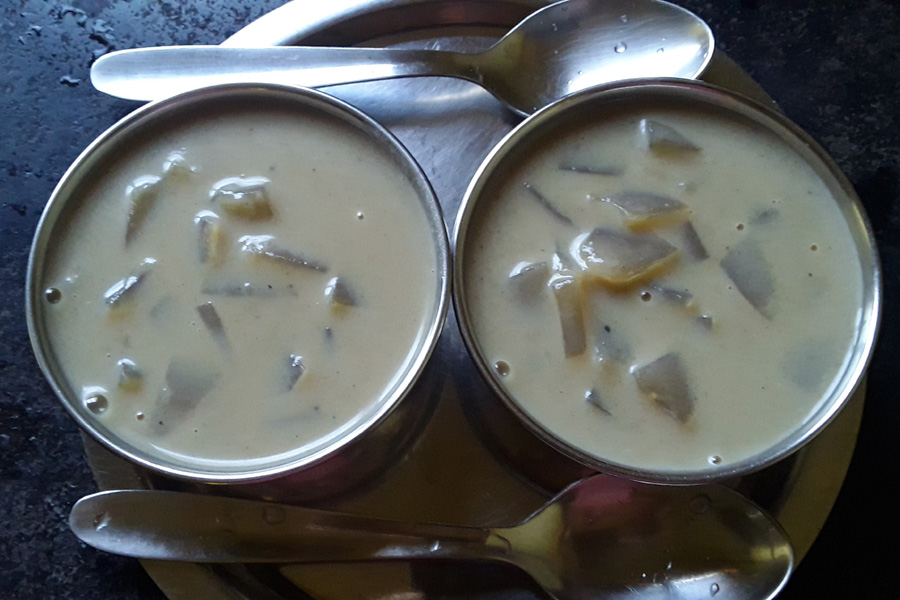
Haalgumbala paayasa | Bottle gourd kheer

Holige | Sweet stuffed flatbread
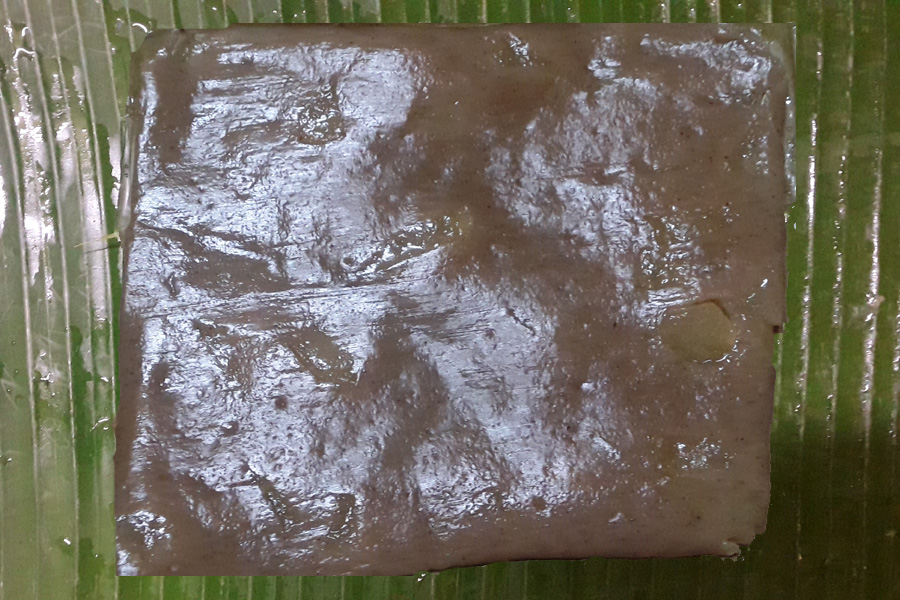
Haalgumbala kaayi kadbu | Bottle gourd kadbu
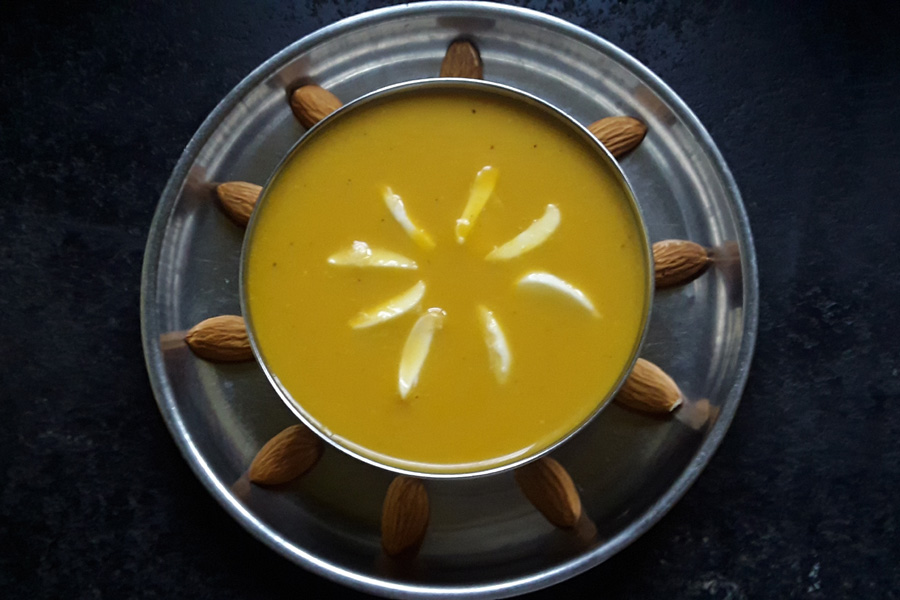
Gajari paayasa | Carrot kheer
Raagi Manni | Finger millet fudge
Hesaru bele paayasa | Moong dal kheer
Ellunde | Til or Sesame seeds laddu
Godhi kadi paayasa | Broken whole wheat kheer
